

I really enjoyed our time in Red Bay, Labrador. The locals would be in full bug gear before they left their house or business. We watched one of the Visitor Centre employees put full bug gear on just to walk down the street. You never saw kids outside playing or people walking their dogs. It was a completely different bug experience than in Northern Ontario!
But enough of that, moving on to the history behind Red Bay because it was fascinating. For over 5 centuries, the village has been here welcoming people to come and settle. In the spring time, from the 1540’s to the 1600’s, there would be 2,500 or more French and Spanish Basque Whalers sailing across the Atlantic Ocean to the Strait of Belle Isle. They were in search of high quality oil to use for their lamps and soap making. It became a French trading post in the 1700’s with forts built for trade with the Inuit but it’s mostly known for it’s large-scale Basque whaling operations. The whaling operations ceased due to the decline of the whale populations. It is now a UNESCO World Heritage Site, established in 1979, with wharf remains, shipwrecks, ovens for rendering blubber, cooperages and more.
The Right whales and Bowhead whales were the focus and neither are extinct but the Right whales are endangered and the Bowheads are of special concern.
The population is about 150 people with tourism being a big part of the town. Parks Canada runs the Red Bay Whale Exhibit and the Red Bay National Historic Site and World Heritage Site. We went to both and had lunch in a local restaurant. It was a very interesting day…………now for some photos….
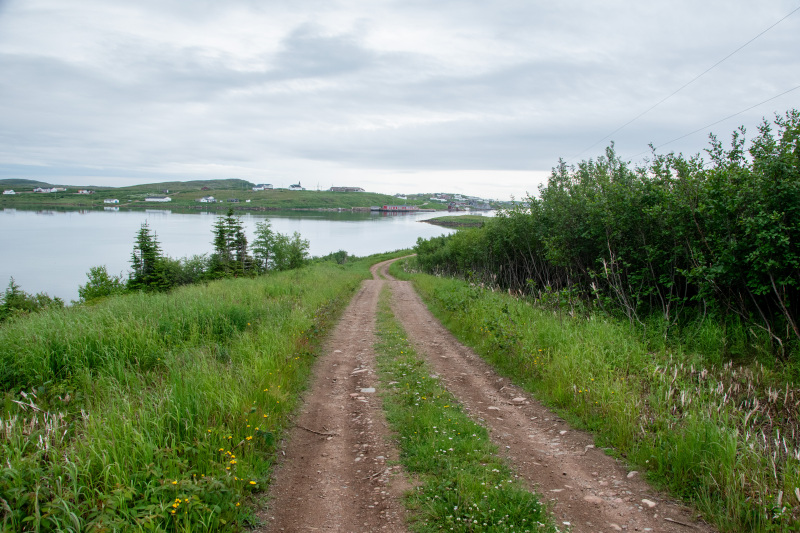
A road we drove down 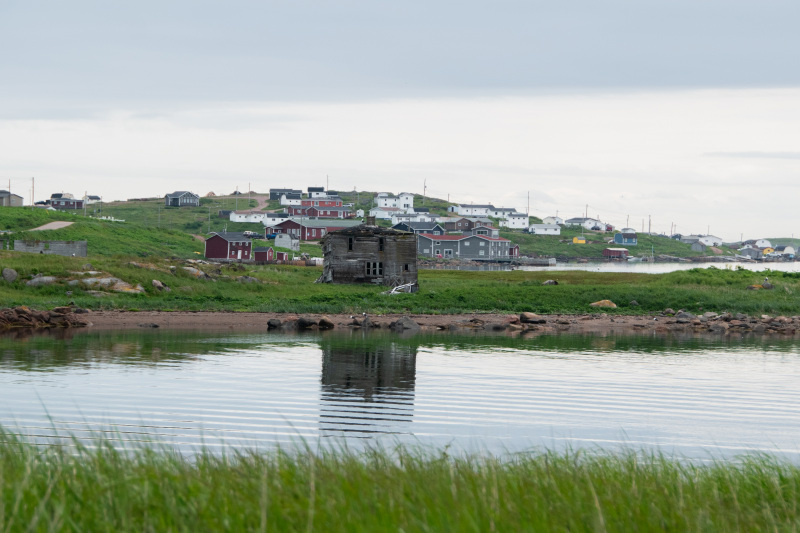
Scenery 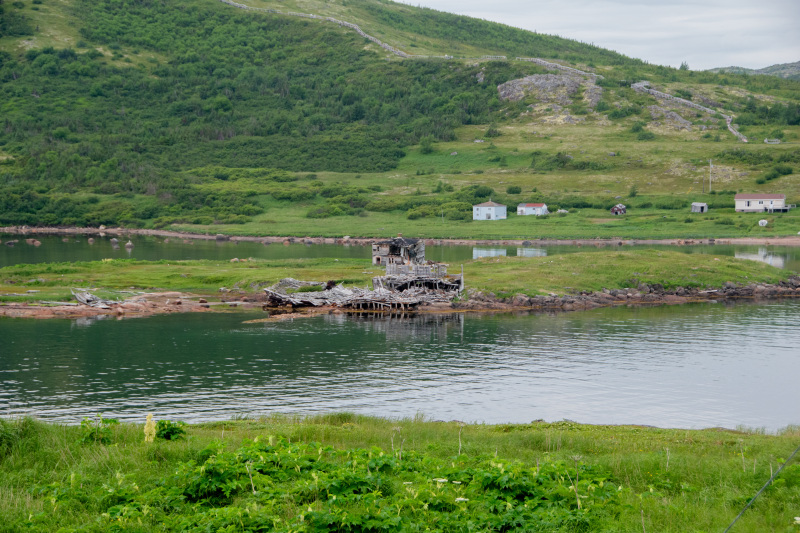
Scenery 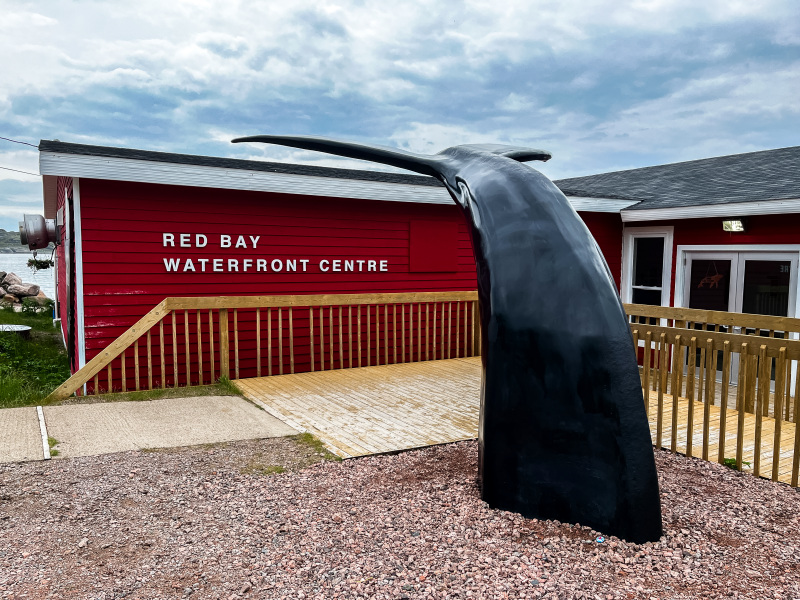
Right Whale Exhibit Museum 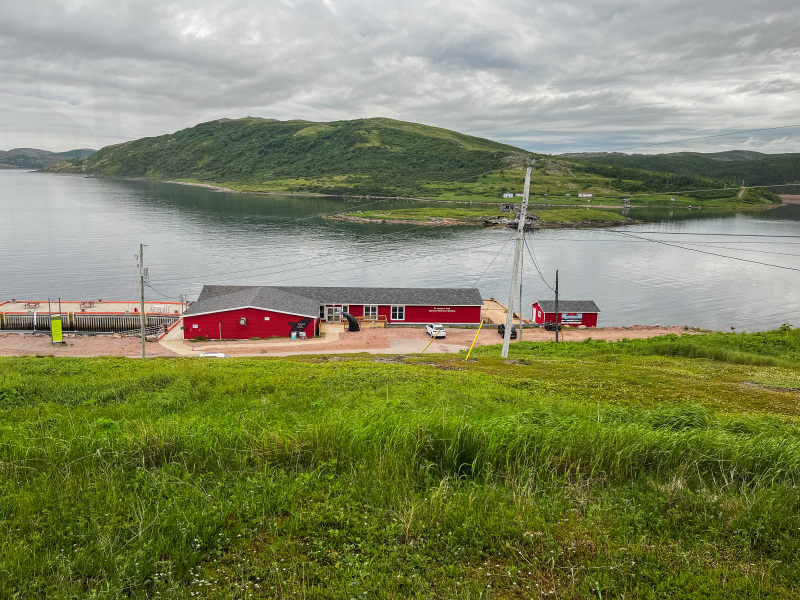
A second museum 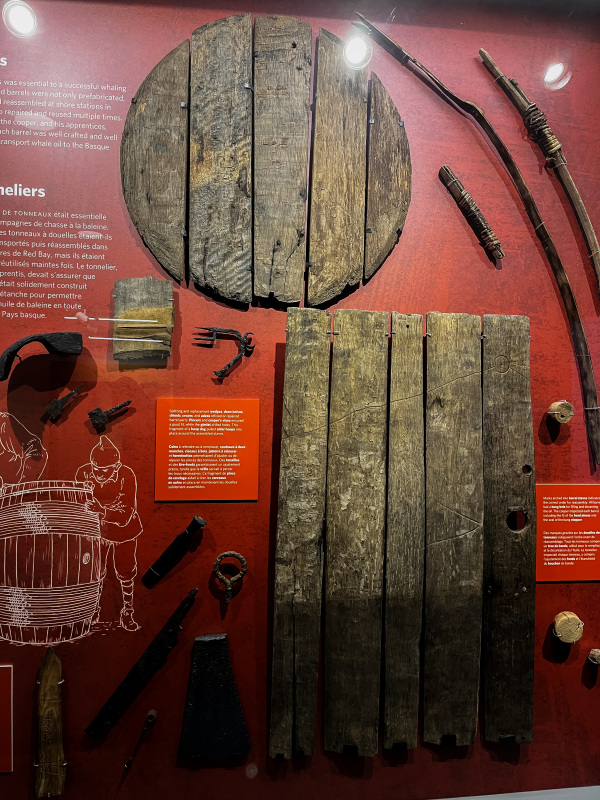
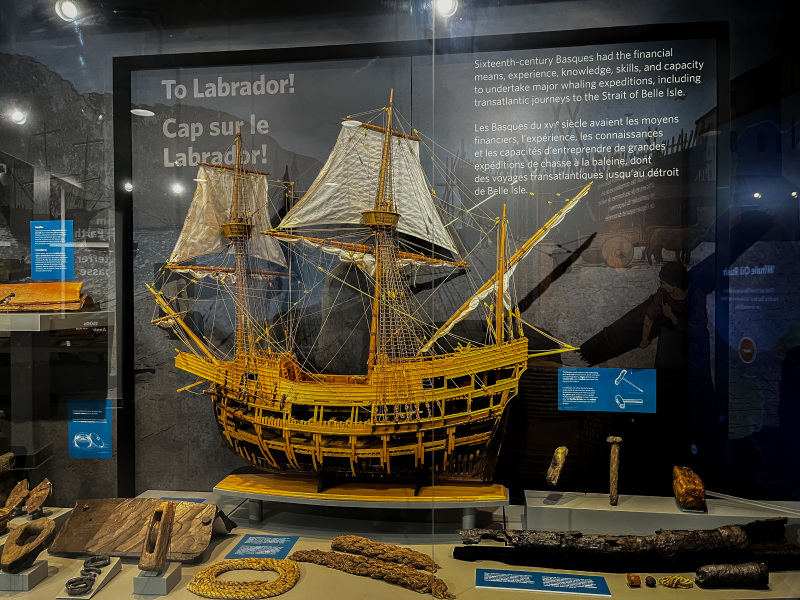
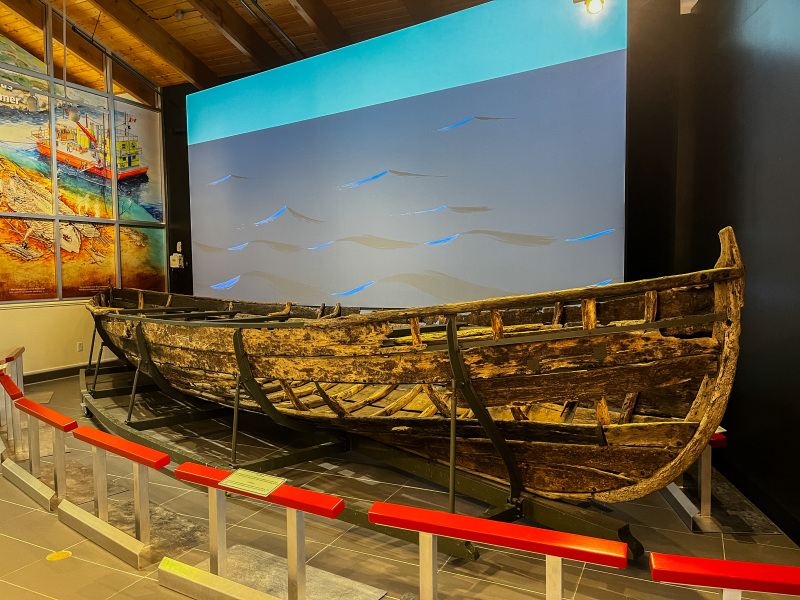
An old Basque boat they found called a Chalupa and it’s over 400 years old 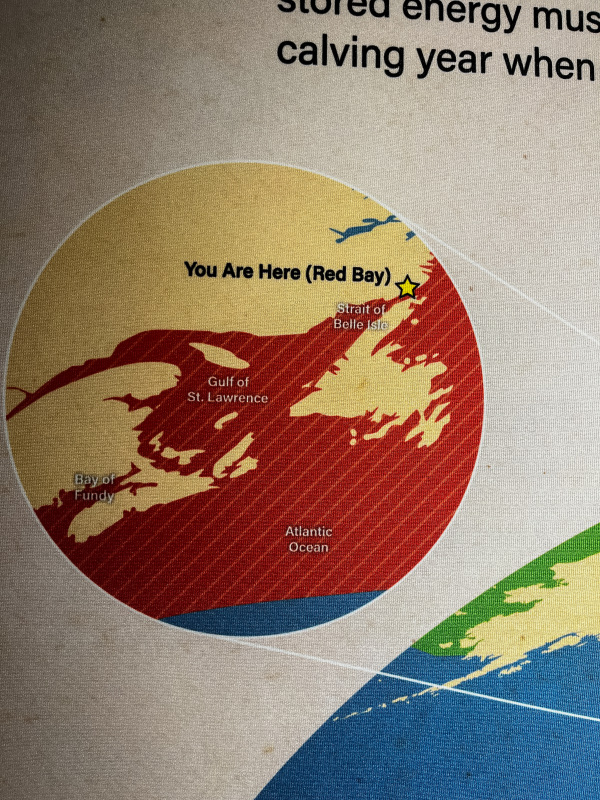
Inside the museum 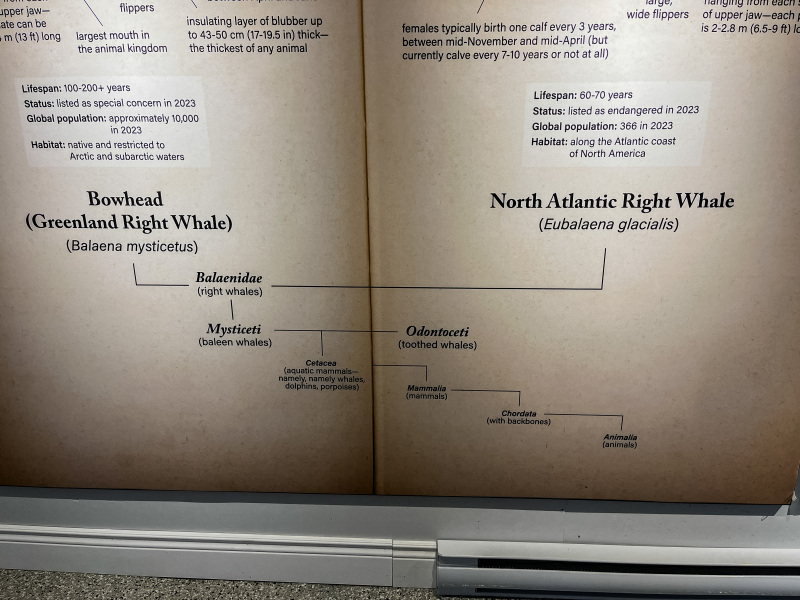
The Right whales and Bowhead whales were the focus and neither are extinct but the Right whales are endangered and the Bowheads are of special concern. 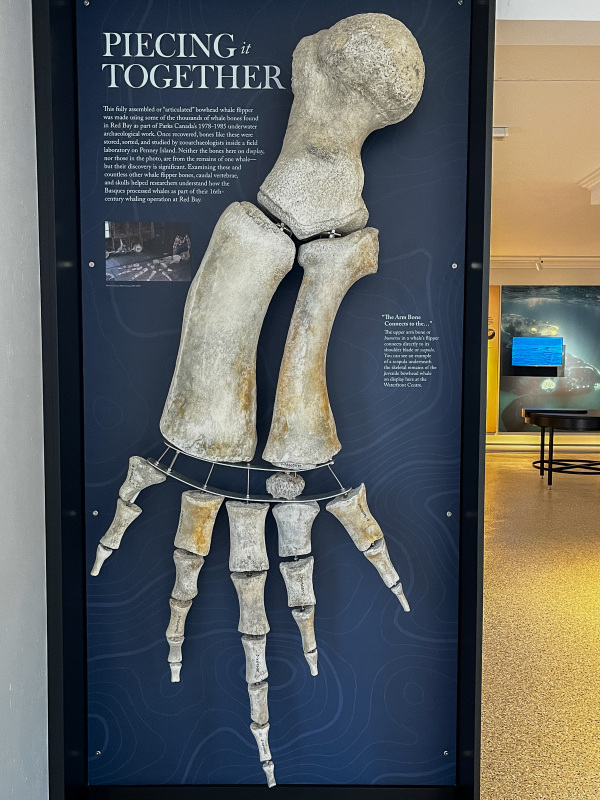
Whale facts ! 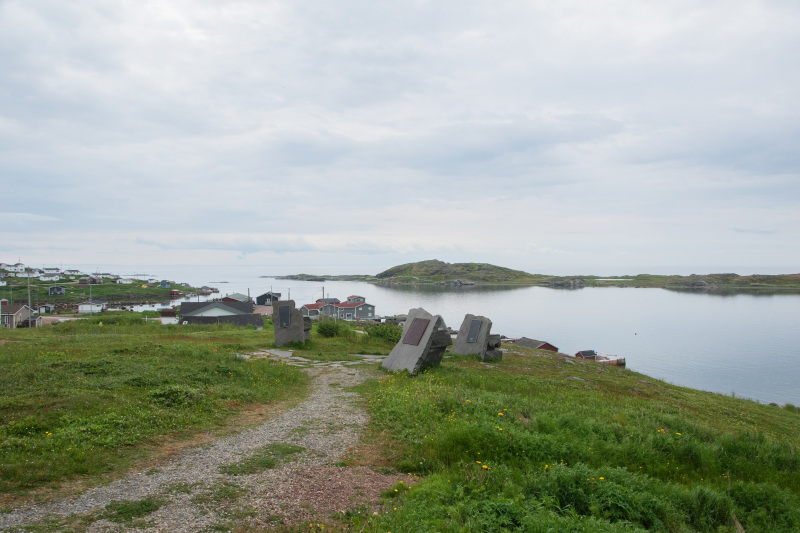
Area cemetery 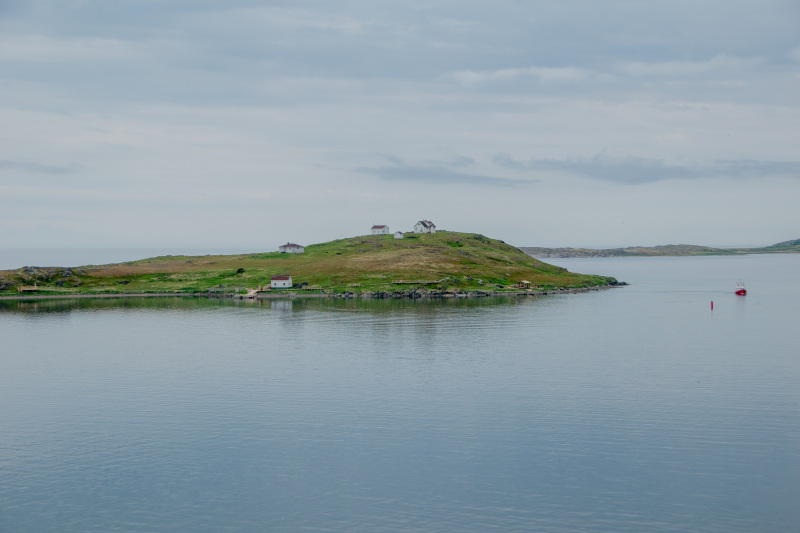
Scenery in the town 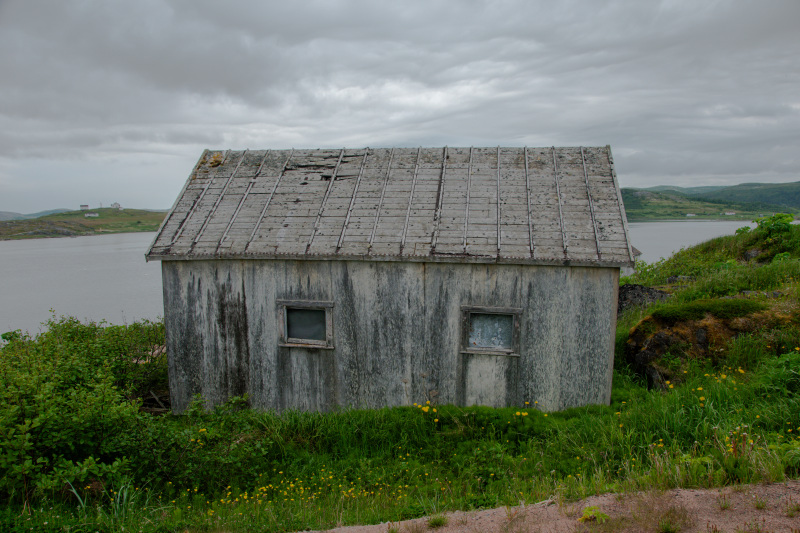
Just an old building 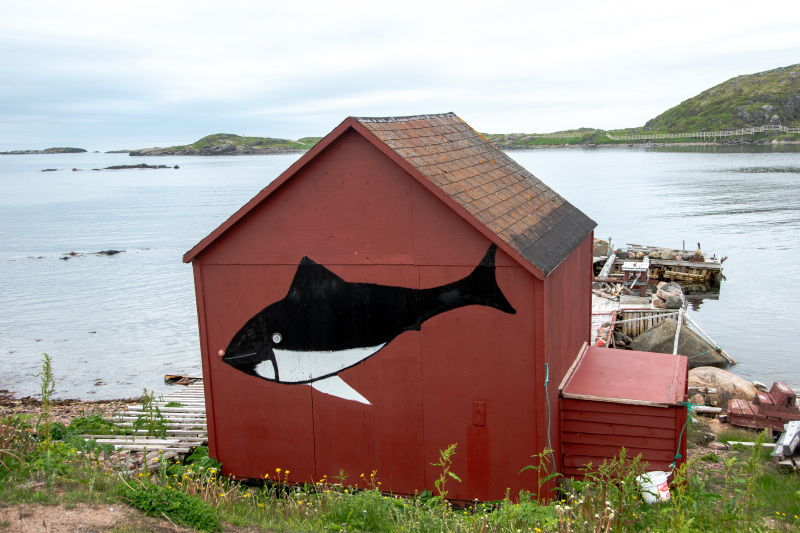
Cute ! 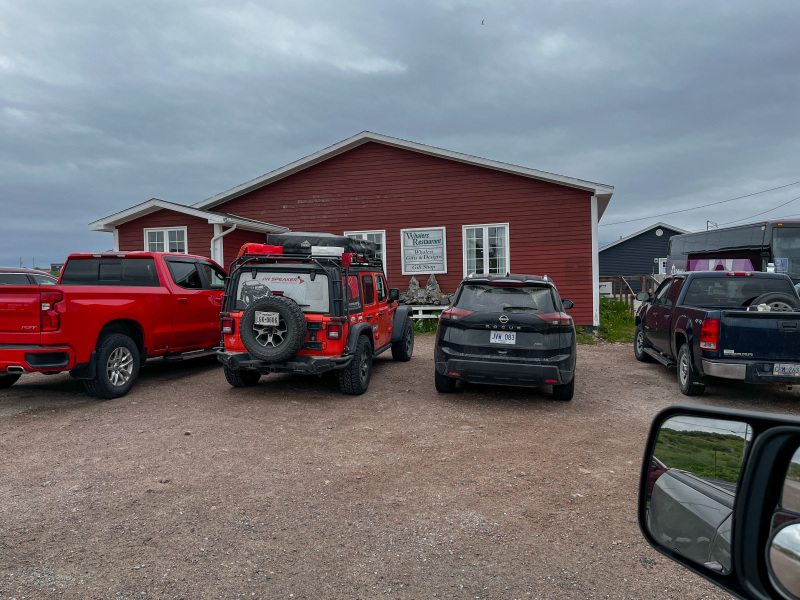
Whalers restaurant 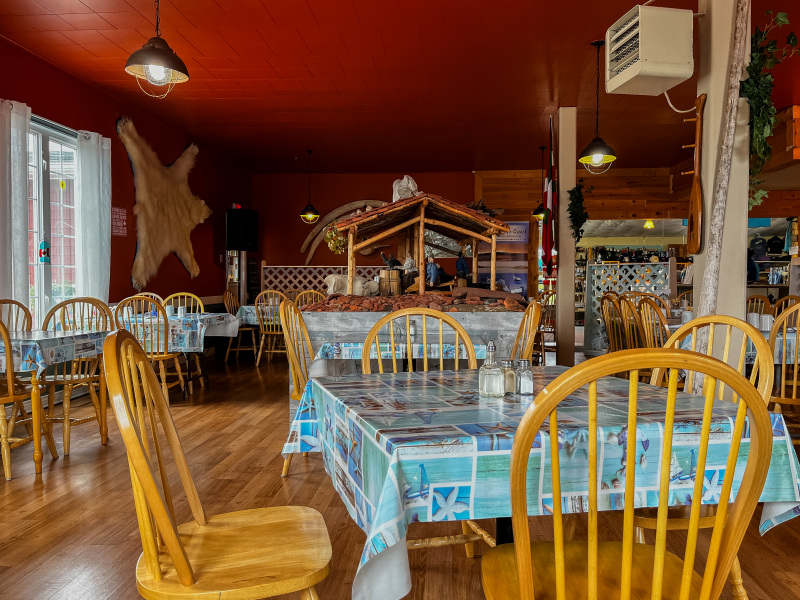
Inside Whalers restaurant 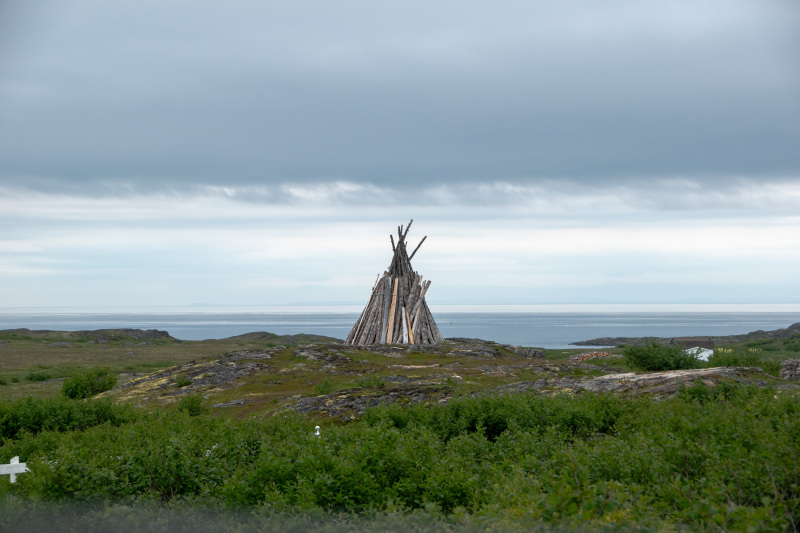
The teepee-like structures are for stacking wood to dry for heating in the winter. Each household can get a government permit to cut wood in a defined area. Each stack is typically labeled with the owner’s permit number.
Well now time to head to a campground close to the ferry that will take us from Labrador to Newfoundland….


it’s such a beautiful and rugged life up there, it reminds me of Northern Michigan. Nice! 👍🏻
LikeLiked by 2 people
It’s a very different landscape. I’ve never been to Michigan 😊
LikeLiked by 2 people
It would feel familiar to you in the northern lower and in the Yooper. (upper peninsula). ☺️
LikeLiked by 2 people
I was imagining all of that historic activity from your description. Fascinating, yes and heartbreaking to think about, but they were just trying to survive, I reckon. Thank you for sharing highlights from your experience there. Looks chilly!
LikeLiked by 2 people
I can’t even imagine Michelle. To think that you would be out in the cold fishing all day and in the cold water and then where’s my hot shower? Lol.
LikeLiked by 2 people
lol Right! I’ve become rather fond of hot baths w/Epsom salt, after much less labor than they experienced! 😅
LikeLiked by 2 people
I liked learning about the whaling and also that whale tail sticking out of the pebbles at the whale museum. I also liked the old building and the cute whale on the side of the building. I would like a town of 150 when it’s not tourist season. You would know everyone in the town. You had nice scenery and learned a lot by stopping here!
LikeLiked by 1 person
This was one of my favourite spots and I liked learning about the history of the Basque and their whaling adventures.
LikeLiked by 1 person
I would have liked that too, learning about whaling. I always thought it would be fun to go on a boat for whale sightings.
LikeLiked by 1 person
I don’t think my stomach could take it going on the ocean to see the whales! I get motion sickness pretty bad when on the water, that’s why I like canoeing.
LikeLiked by 1 person
That might make you queasy when they breach and flop back into the water. I just saw a video of that on Twitter. It was in Hawaii and a pod of whales, three breached at once. I didn’t see the boat – hope it was a big one. Canoeing would be more peaceful for sure.
LikeLiked by 1 person
I love that 400 year old boat and the whale bones. 150 people and only 3 people buried? I love the rocks holding up the headstones. Such a beautiful area, I could definitely live there if not for the stacked wood with the names on them. I really enjoyed this post Susan!
LikeLiked by 1 person
Thanks so much Diane. It’s a different way of life there for sure. If I remember correctly we did pass a smaller cemetery.
LikeLike