
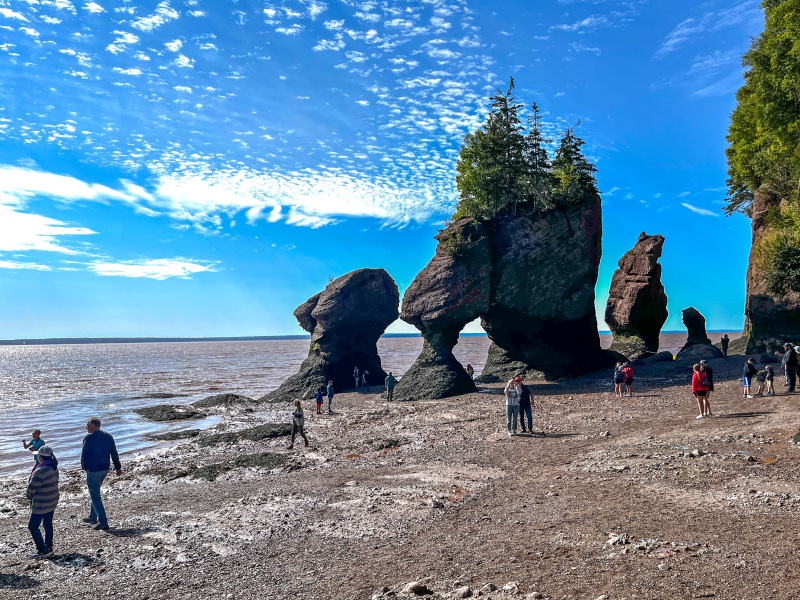
We drove to the Bay of Fundy to watch the tides. You walk from the Visitor Centre on a trail and then go down a few flights of stairs to get to the ocean floor. The Bay is a large inlet of the Atlantic Ocean and the tides are quite impressive. By the time we left, the water had flooded into the Big Arch in above photo.
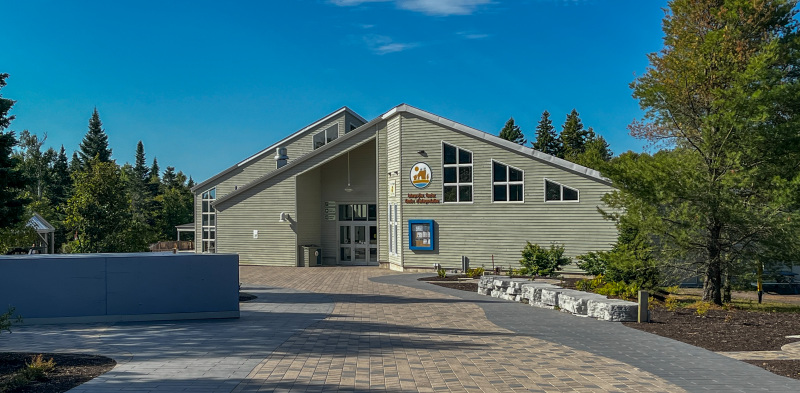
Visitor Centre 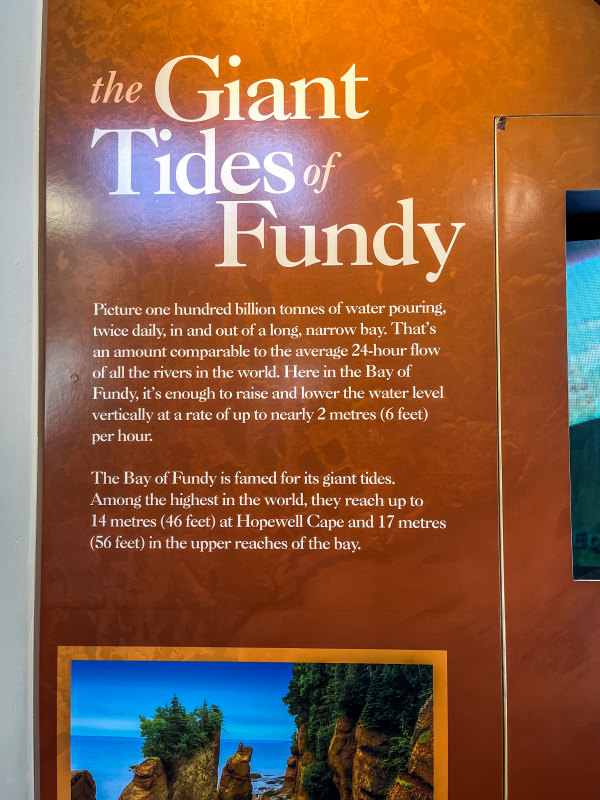
Information 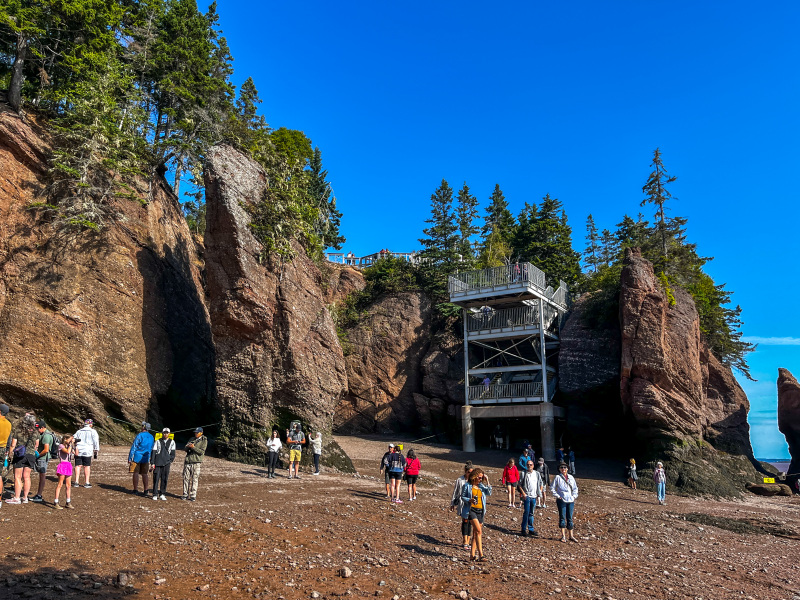
Stairs to the beach 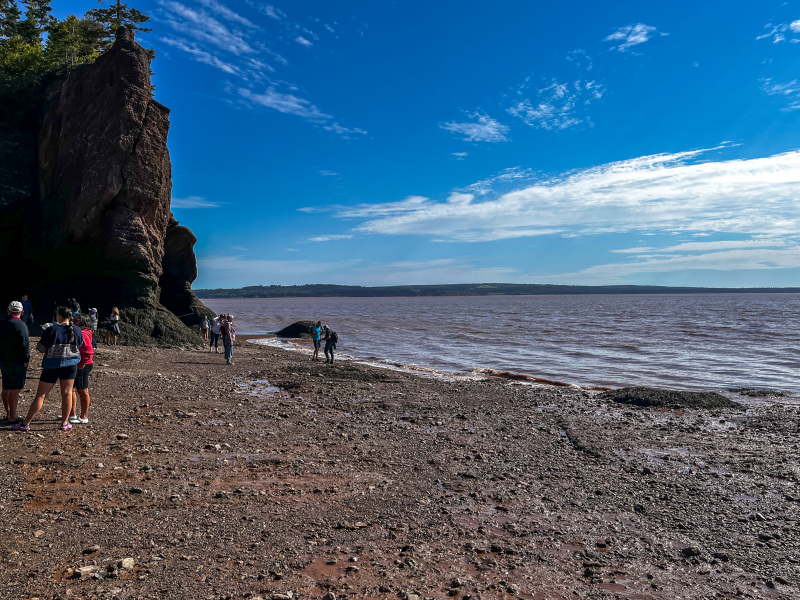
View 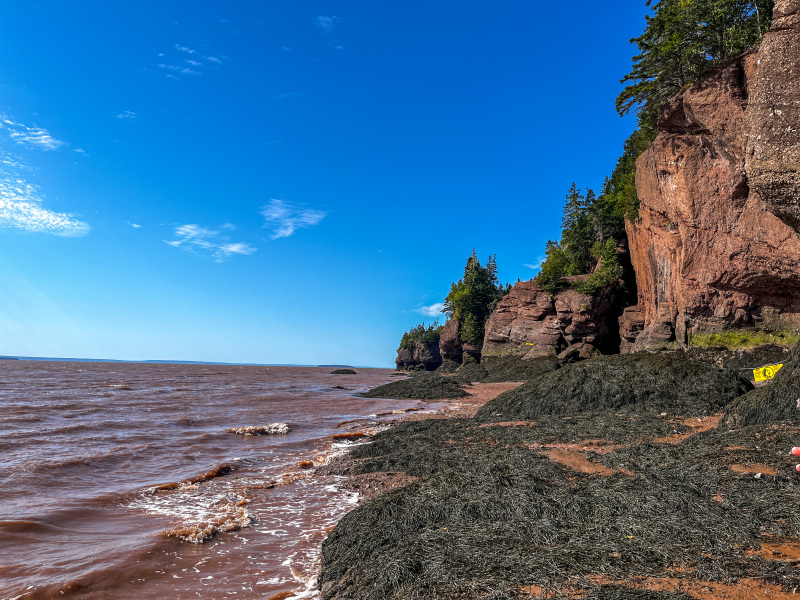
View
We had a great time there and even though we have been here before, it was still interesting and certainly keeps your attention.
A couple of other breweries we stopped at during out time here. O’Creek Brewing Co was very nice and we had lunch there. Holy Whale Brewing Co was a great spot. We biked to it and they had a couple of neat murals on their outside walls, a lovely inside and a huge patio out back right on the river. Last, on this post anyways, was Cavok Brewery. Cavok means “ceiling and visibility ok” which makes sense when you know that 2 Air Traffic Controllers bought the brewery.
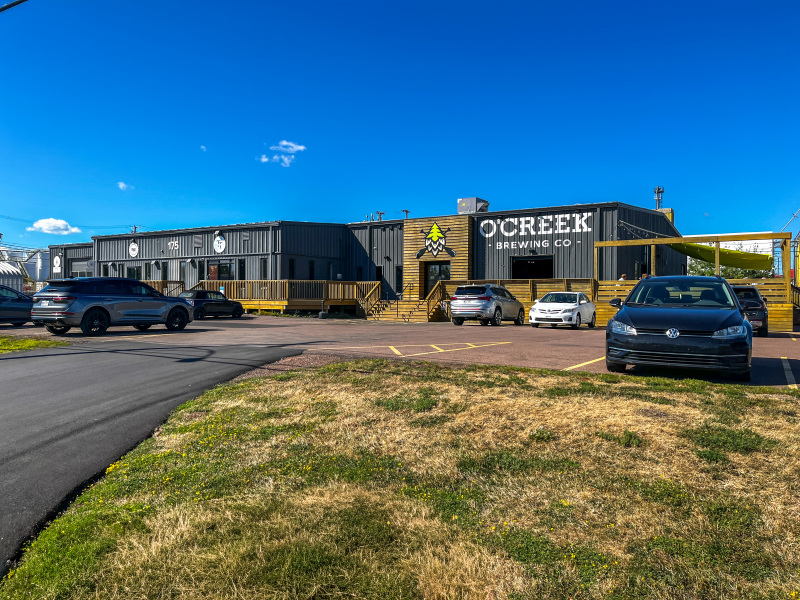
O’Creek Brewery 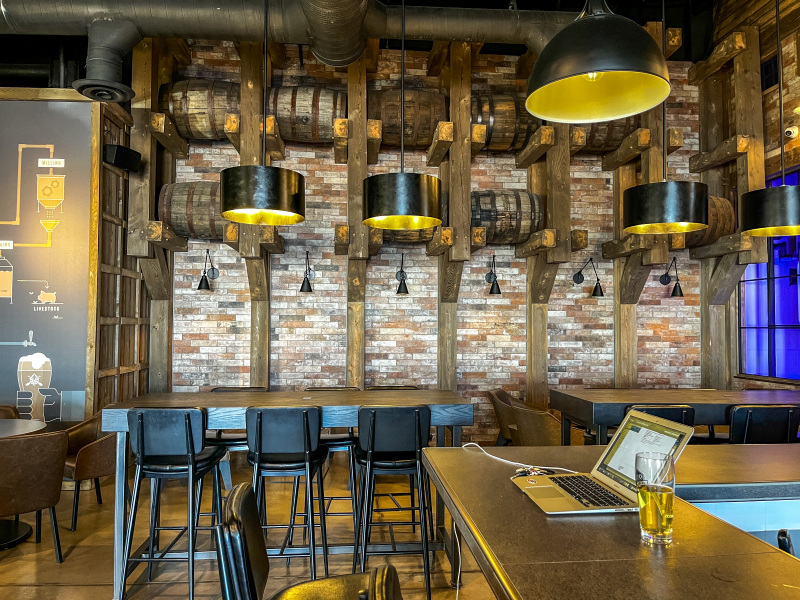
Inside O’Creek 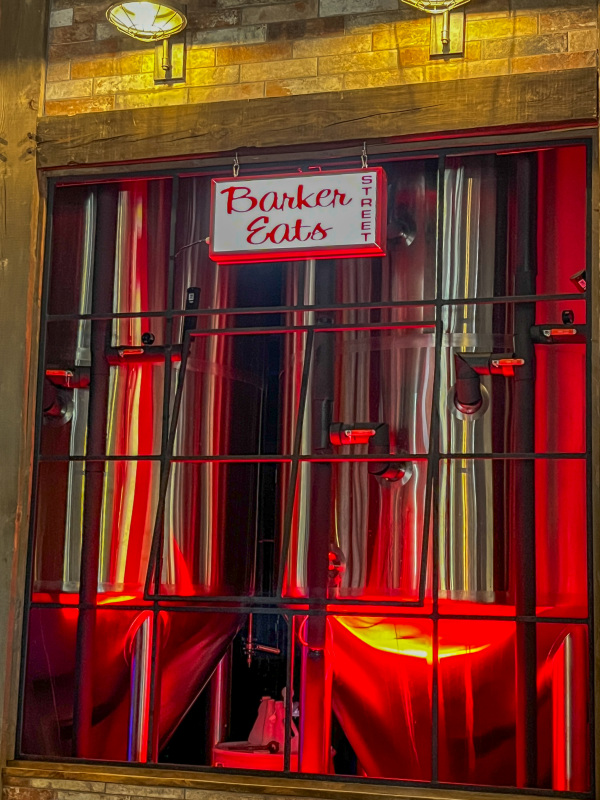
The Kitchen inside O’Creek 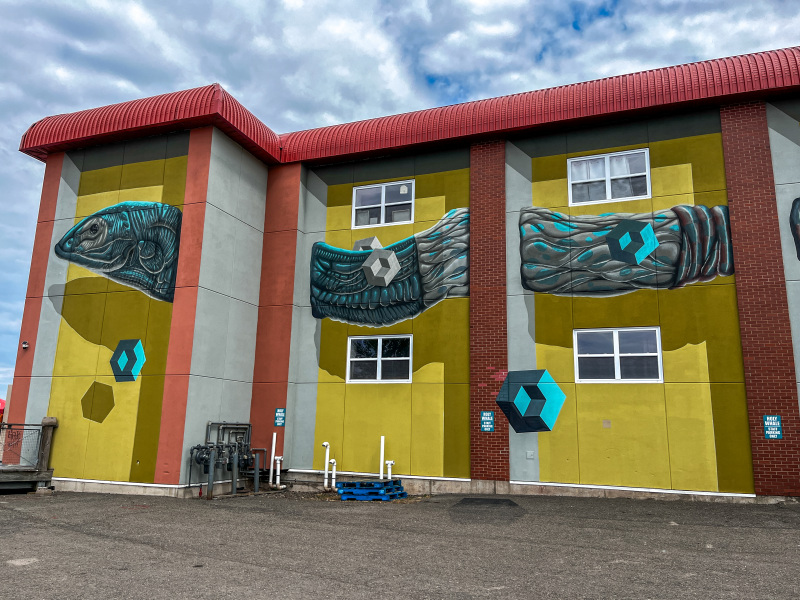
Holy Whale Brewing Co 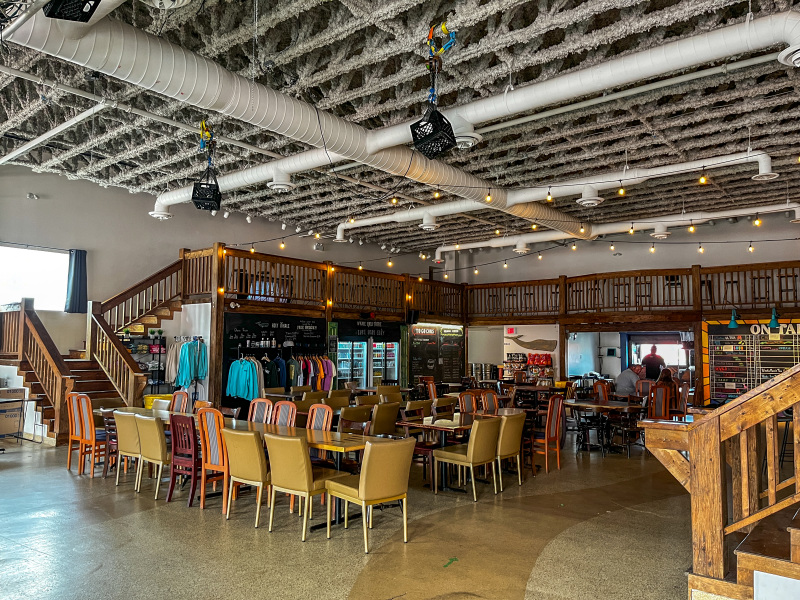
Inside Holy Whale Brewing Co 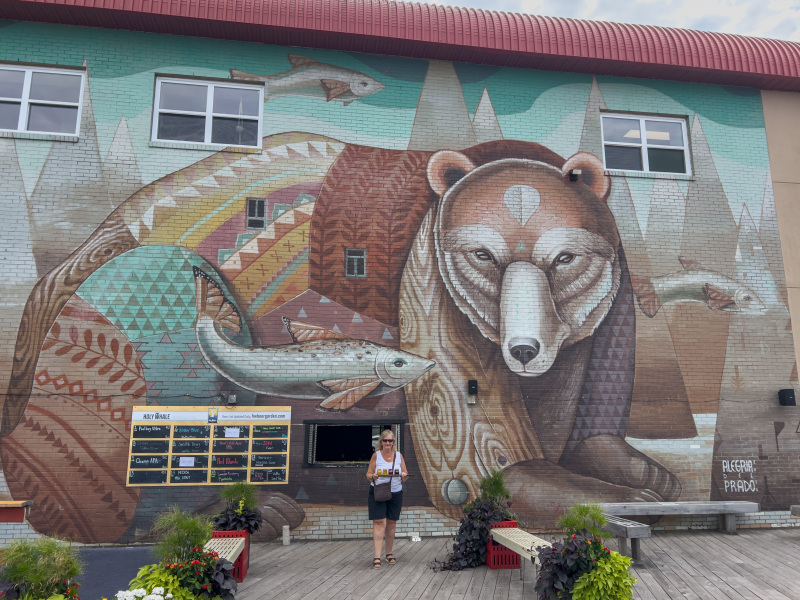
Holy Whale Brewing Co outside on the back patio which is huge and is right by the river 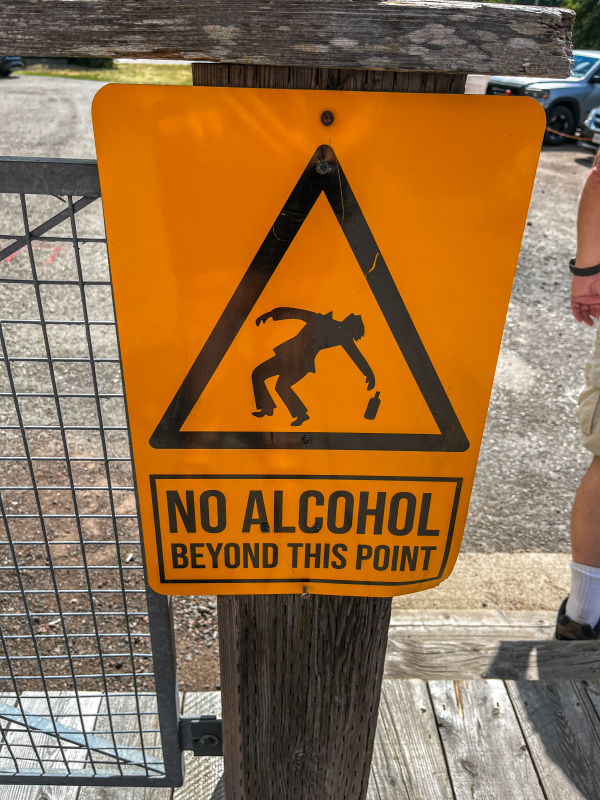
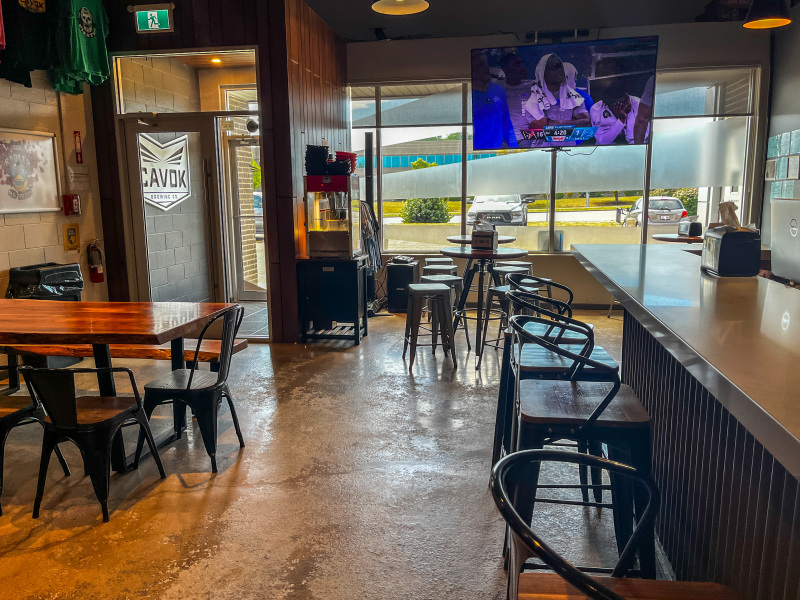
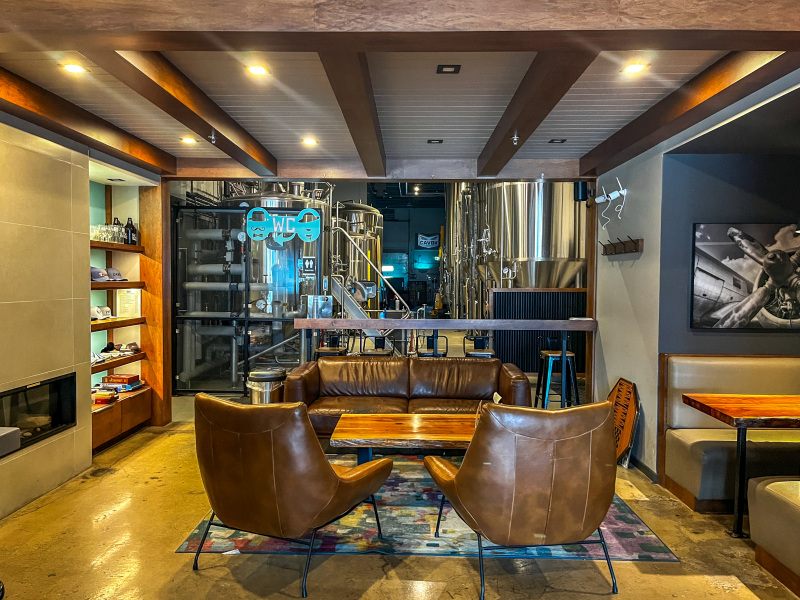
One more post for Moncton and then we head back into Quebec !
 Trums Travels